Research

Research

Latest Research

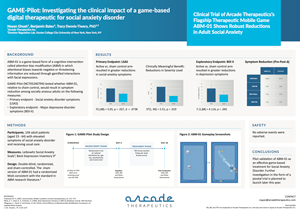
Our latest clinical trial of StarStarter Rx (aka ABM-01) showed robust reductions in social anxiety. For more detail, read our research poster through the below link.

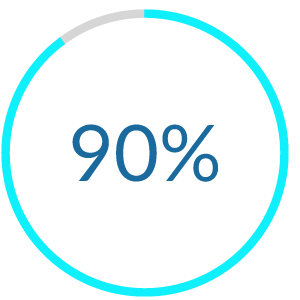
90% showed reduced social anxiety
68% reduced a full symptom severity level
38% reduced below clinical thresholds


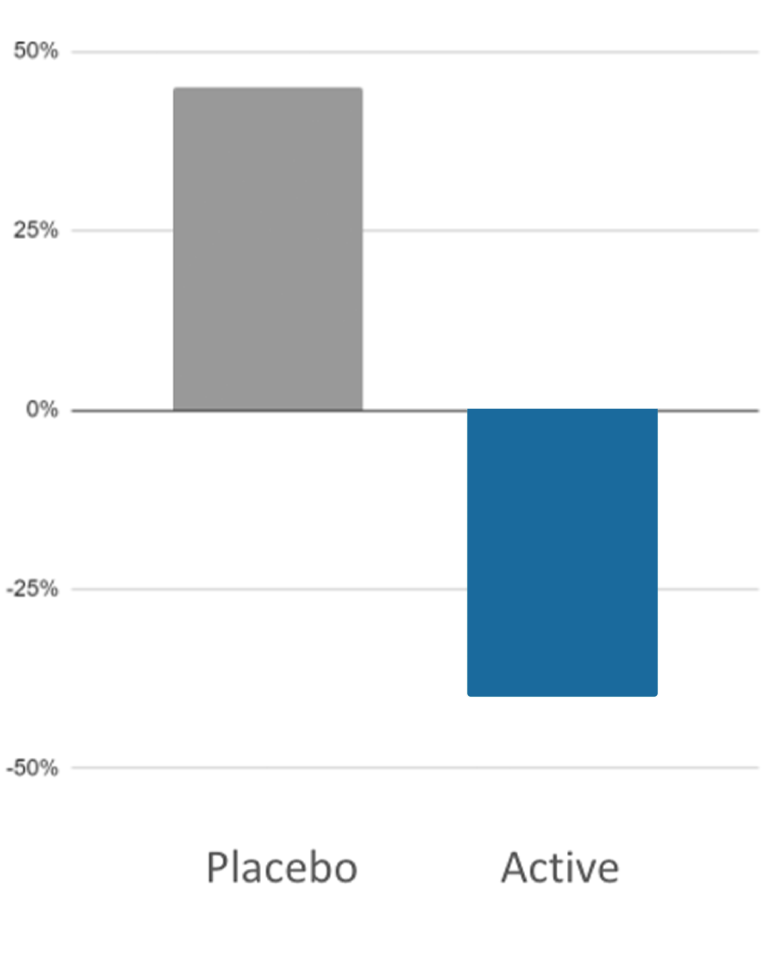
The active arm was more than 3 times as likely to show meaningful reductions relative to a gold-standard placebo sham

Clinical Trial of Arcade Therapeutics’s Flagship Therapeutic Mobile Game ABM-01 Shows Robust Reductions in Adult Social Anxiety

Published Research

Our game-based approach to the cognitive training technique Attention Bias Modification (ABM) has been widely published in leading peer-reviewed research journals.

Jennifer de Rutte, Sarah Myruski, Elizabeth Davis, Abigail Findley, Tracy A. Dennis-Tiwary

Purpose: A longitudinal clinical trial pilot study to investigate gamified attention bias modification (ABM) as an efficacious digital therapeutic tool for the reduction of social anxiety disorder symptom severity

Study Population: 104 patients aged 22-64 who reported elevated SAD symptoms (scores of 7 and above) on the 3-item Mini-Social Phobia Inventory – Revised

Administration: Four weekly 12-minute sessions across 4 weeks

Primary Endpoints:

  • Self-reported Social Anxiety for adults via The Liebowitz SAD Scale Self-Report (LSAS-SR)

Results:

90% showed reduced social anxiety


68% reduced a full symptom severity level


38% reduced below clinical thresholds


The active arm was more than 3 times as likely to show meaningful reductions relative to a gold-standard placebo sham

Dennis-Tiwary, T. A., Denefrio, S., and Gelber, S. (2017)

Purpose: Proof-of-concept longitudinal study to investigate potential for game-based therapeutic targeting pregnancy-related anxiety

Study Population: Patients aged 23-45 in their 19th-29th week of pregnancy

Administration: 30 minutes per week for 4 weeks with placebo arm

Primary Endpoints:

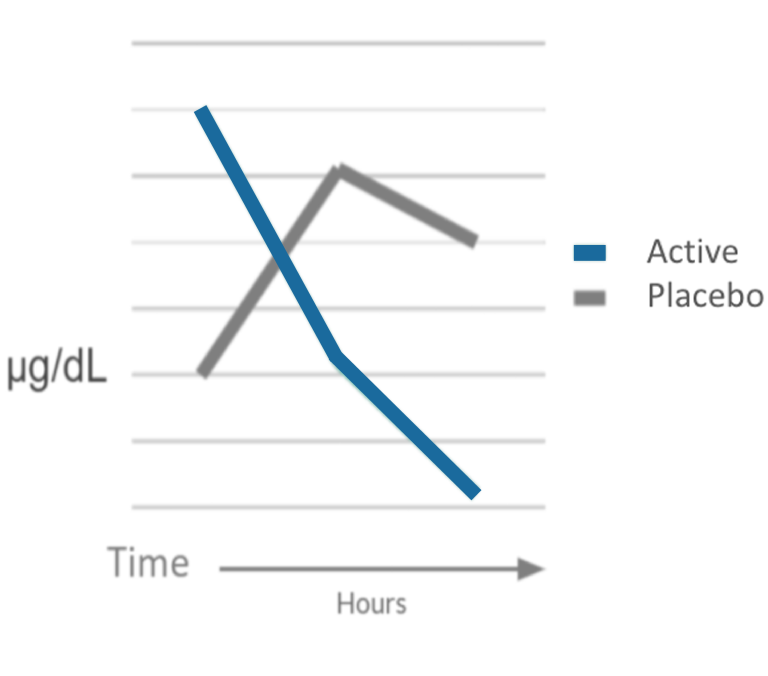
  • Salivary cortisol following exposure to standardized stressor (AUC1)
  • Cognitive signs of anxiety (Dot Probe Task Measure)

Results:

9.4% Reduction in stress hormone cortisol (AUC1)
491% Reduction in cognitive signs of anxiety (DPTM)

Charvet, L., George, A., Cho, H., Crupp, L.B. & Dennis-Tiwary, T. A. (2021)

Purpose: Proof-of-concept longitudinal study to investigate potential for game-based therapeutic targeting MS-related anxiety

Study Population: Patients (ages 12-24) with pediatric-onset Multiple Sclerosis

Administration: 30 minutes per week over 4 weeks

Primary Endpoints:

  • Self-reported anxiety for adults (Beck Anxiety Inventory)
  • Self-reported anxiety for youth (Multidimensional Anxiety Scale for Children)
  • Self-reported mood (Positive and Negative Affect Schedule)

Results:

38% Reduction in adult self-reported anxiety (BAI)
20% Reduction in youth self-reported anxiety (MASC)
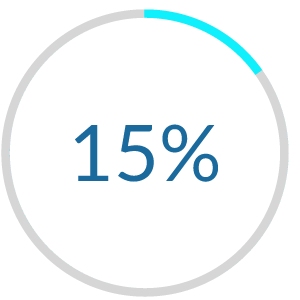
15% Reduction in negative affect (PANAS)

Dennis-Tiwary, T. A., and O’Toole, L., J. (2014)

Purpose: Two randomized controlled trials conducted to optimize gameplay dosage and serve as proof of concept studies for individuals with high trait anxiety

Study Population: Participants aged 18-38 with high trait anxiety, measured via State-Trait Anxiety Inventory (STAI)

Administration: Two separate single session studies at varying durations with placebo arms

Primary Endpoints:

  • Self-reported state anxiety measured by State-Trait Anxiety Inventory (STAI)
  • Cognitive signs of anxiety (Dot Probe Task Measure)

Results:

Short Study

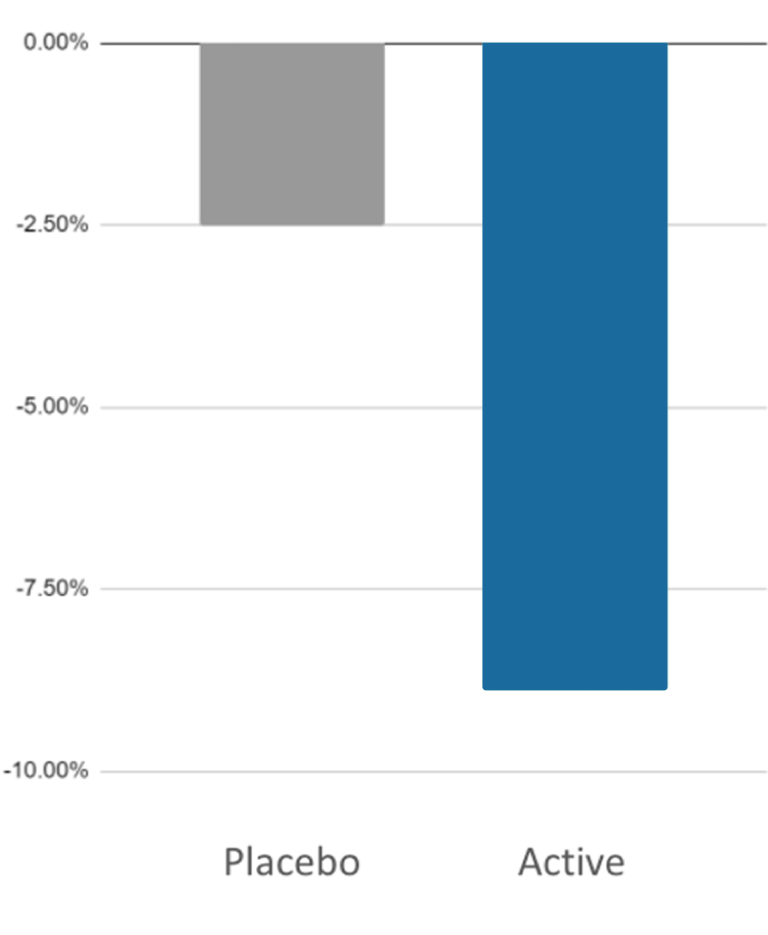
8.9% Reduction in anxiety (STAI)
Long Study

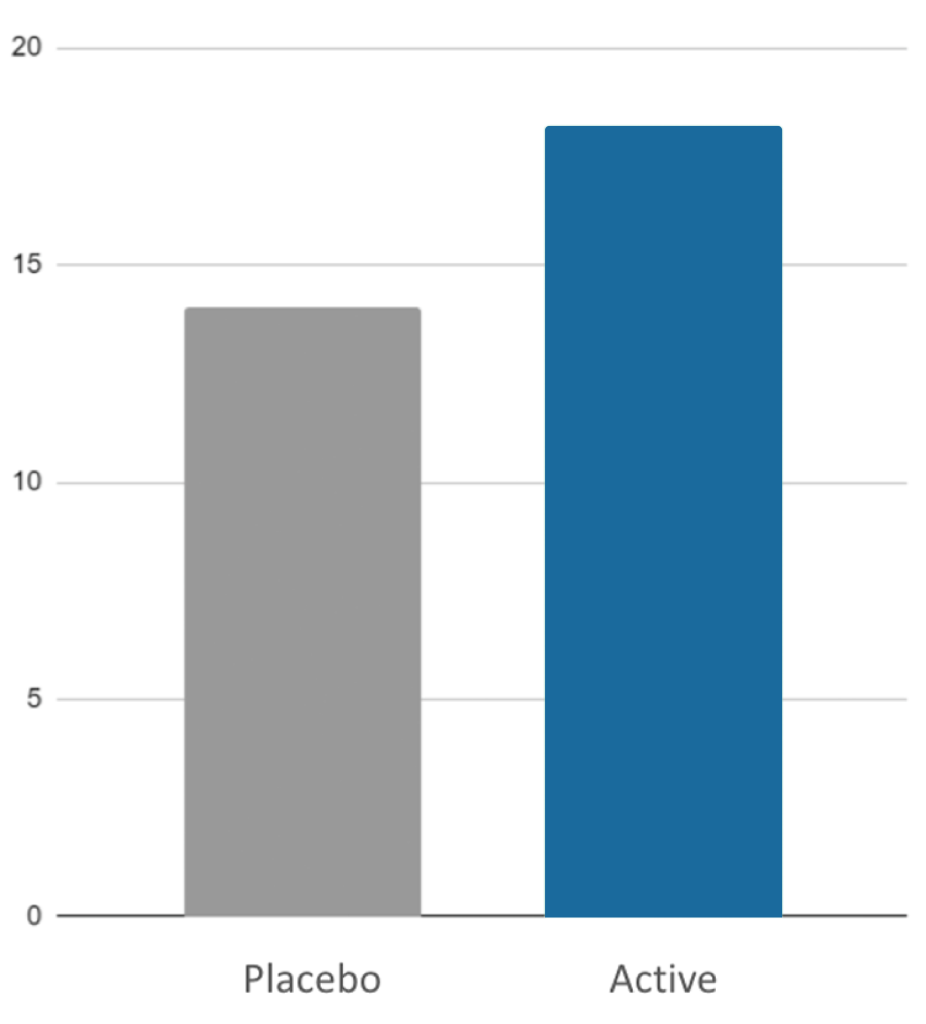
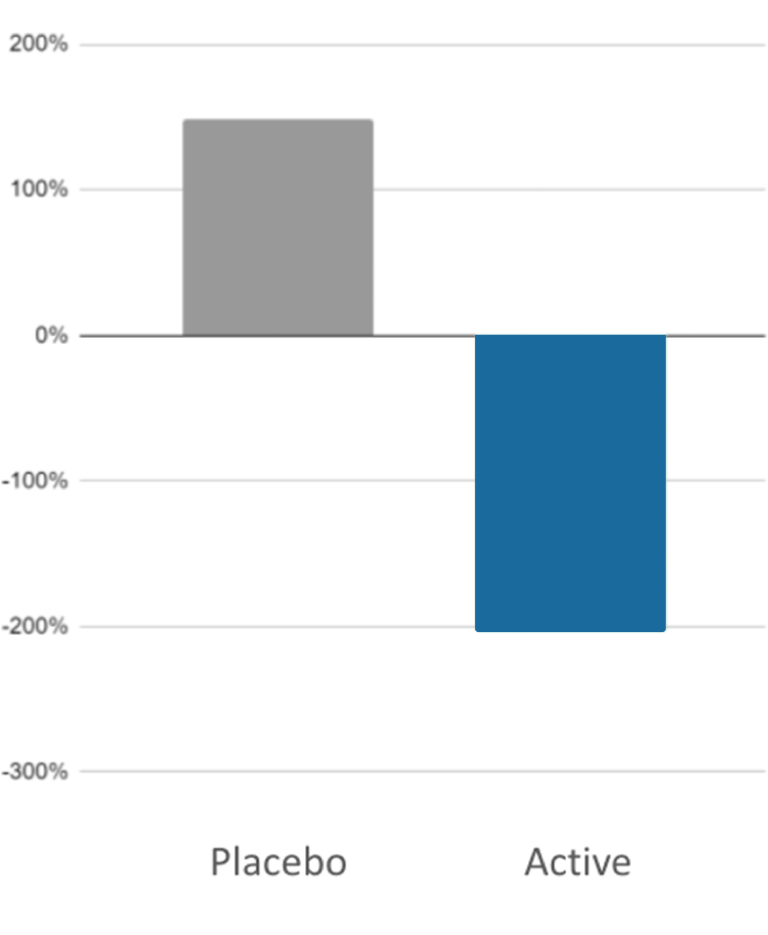
204% Reduction in cognitive signs of anxiety (DPTM)

Dennis-Tiwary, T. A.,Egan. L. J., Babkirk, S., and Denefrio, S. (2016)

Purpose: To map out individual cognitive differences among patient cohorts with high trait anxiety for game design optimization

Study Population: Participants aged 18-38 with high trait anxiety, measured via State-Trait Anxiety Inventory (STAI)

Administration: Single session study with placebo arm

Primary Endpoints:

  • Cognitive control; event related potentials (ERPs) measured via Negative Deflection After Visual Stimulus (N2)
  • Stress resilience measured via Trier Social Stress Test (TSST)

Results:

147% difference in male cognitive control vs. placebo (N2)
30% difference in female stress resilience relative to placebo (TSST)

Myruski, S., Cho, H., Bikson, M., & Dennis-Tiwary, T. A. (2021)

Purpose: Proof-of-concept study to investigate potential for combination treatment of neurostimulation and game-based intervention for anxiety.

Study Population: Adults with normal to moderate levels of anxiety measured by DASS-21

Administration: Single session in combination with tDCS neurostimulation headset; placebo tDCS arm

Primary Endpoints:

  • Self-reported anxiety (Analog Mood Scale)
  • Cognitive signs of anxiety (Dot Probe Task Measure)

Results:

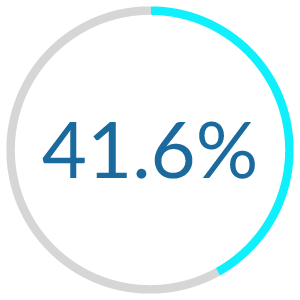
41.6% Reduction in self-reported anxiety (AMS)
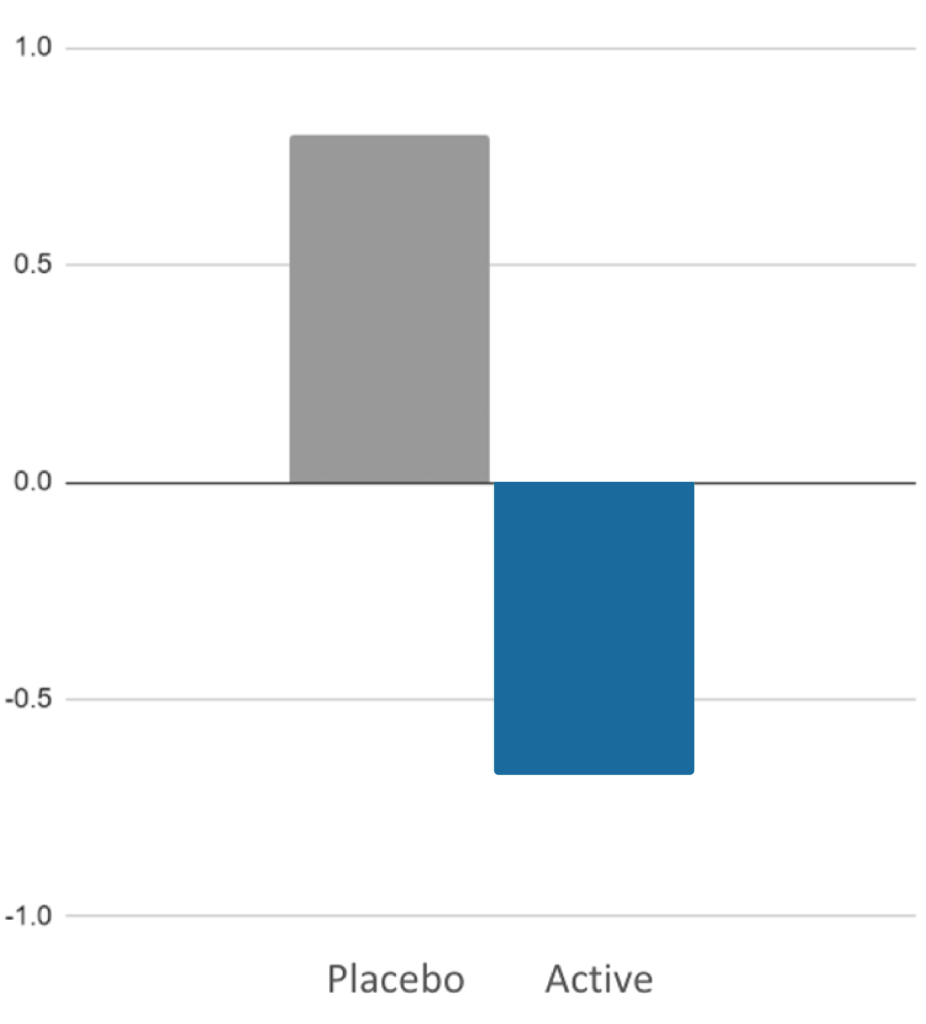
257% Reduction in cognitive signs of anxiety (DPTM)
Luehring-Jone, P., Louis, C., Dennis-Tiwary, T. A., and Erblich, J. (2017)

Purpose: Proof-of-concept study to investigate potential for game-based intervention for alcohol use disorder (AUD)

Study Population: Adult alcohol drinkers with varied responses to Alcohol Use Disorders Identification Test and Obsessive-Compulsive Drinking Scale. Participants excluded if they drink less than three times per week.

Administration: Single session with placebo arm

Primary Endpoints:

  • Cue-induced alcohol craving
  • Cognitive measures of preferential processing of alcohol-related information (Alcohol Stroop Task)

Results:

40% Reduction in alcohol cravings (CIAC)
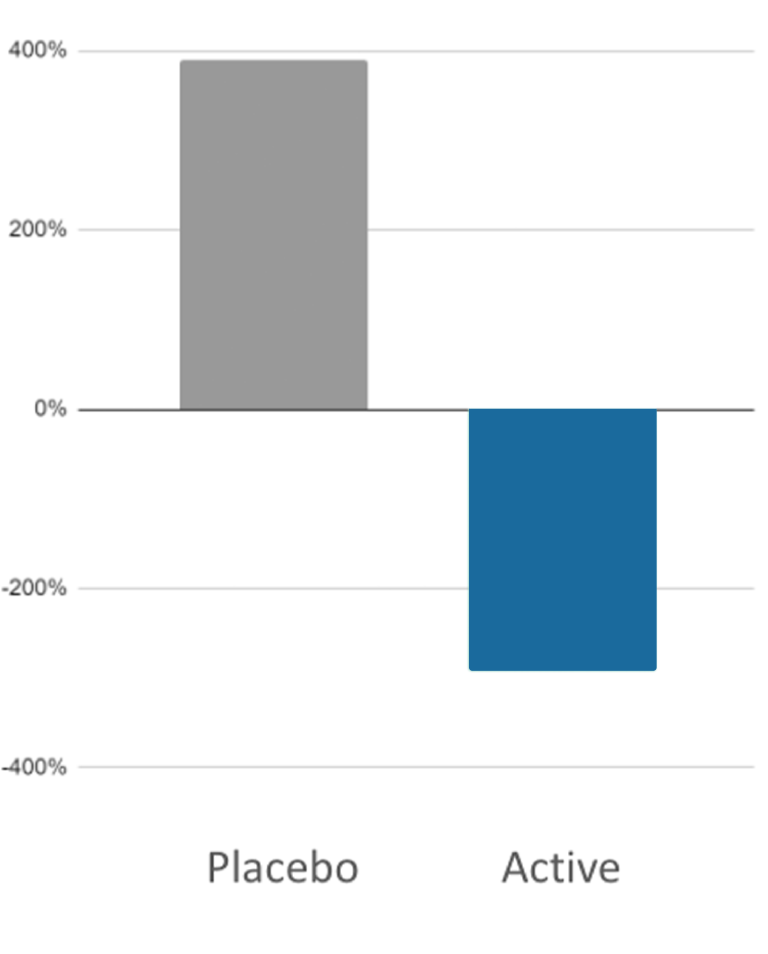
293% Reduction in alcohol-related attention bias (AST)